
How come the bad guys are always capitalists?
Or capitalism is good actually

In my grandiosely titled “manifesto” for why I started writing these newsletters, I made it very clear that I am pro-capitalism.
Capitalism has some problems, sure (mainly looking at you Private Equity) but overall, it is the driving force behind development in our modern world. Capitalist liberal democracy is the absolute apex governing system that humans have invented. And, to paraphrase the kids, we cooked with that one.
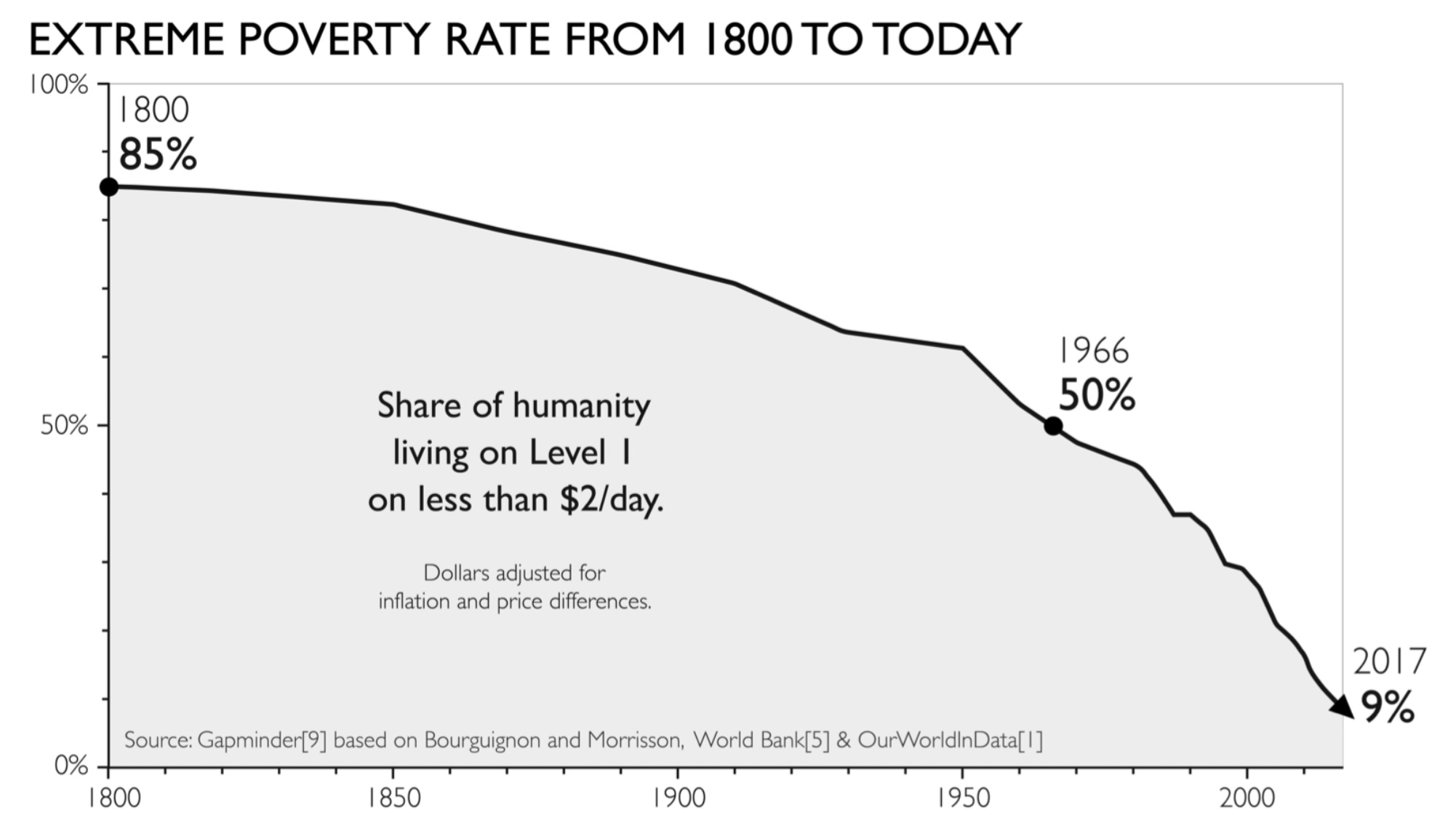
Capitalism is why you are able to read this on your tablet/phone/laptop/watch, it’s why you have a job that can pay to feed and house you and your family, it’s why you can take flights to visit anywhere in the world. It’s why you have a supermarket nearby stocked with a bounty of goods so vast that Kings of yore could not have dreamed of it. Capitalism is also THE driving force pulling people out of poverty the world over. Capitalism works.
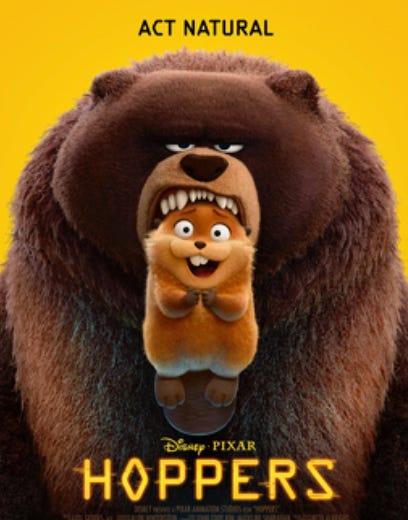
So how come capitalists, business people, developers etc are always the bad guys in films? I’m writing this after having come back from seeing Hoppers with my 3 sons. Tl;dr on the plot is that an evil mayor of Beaverton wants to build a freeway but the freeway would go through a nature glade so a plucky young environmentalist saves the day and nature through some shenanigans it’s a bit too complex to explain . It’s fine. Normal Disney fare. No word on the poor citizens of Beaverton and the hours of traffic they have to endure due to lack of said freeway.
And it got me thinking about how these films are conceived, created and then how they influence those who watch them. Don’t for a second be so naïve as to think that our worldview isn’t at least somewhat influenced by the art that we consume.
And to be fair to Disney, there is a long history of anti-capitalist/anti-development kids films over the last 20 years. There’s Strange World (another Disney one from 2022), Over the Hedge, The Lorax, Okja, Monster Trucks, Pete’s Dragon, Cloudy with a Chance of Meatballs 2, Rio 2 etc etc you get the idea. All with slight twists but really a variation on the underlying theme that human progress is negative, capitalists are bad, development will ruin nature. We’ve traded stories of universal feelings for stories of political signaling.
Whilst these movies have had varying degrees of success, I don’t think it’s unreasonable to say that none of them have become all-time classics like The Lion King, Aladdin or The Little Mermaid. We’ve traded Maybe trying to send anti-progress messages rather than trying to help kids understand core human emotions through art like those all-timer films, makes for movies that people forget about in the long term.
Does this surfeit of anti-progress content have negative real world consequences?
There’s no way to definitively answer this but it’s no secret that some of the biggest societal problems facing Western countries these days is due to our self-defeating inability to build infrastructure and the massive costs we impose on those trying to do so. It would be wonderful if some films could acknowledge the human downside.
If you live in the UK, you’ll know about the £100m bat shield or the £700m fish disco that’s impeding building of the UK’s newest nuclear power plant (gee wouldn’t it be great to have some nuclear power right about now). Then there’s the Housing Theory of Everything - that our inability to build housing doesn’t just lead to people unable to own homes, it delays them starting families, impacts jobs, mental health, taxes - essentially delaying their adulthood. Look, even Peter Thiel gets it - if you exclude people from this system, they will choose destructive idealogies.
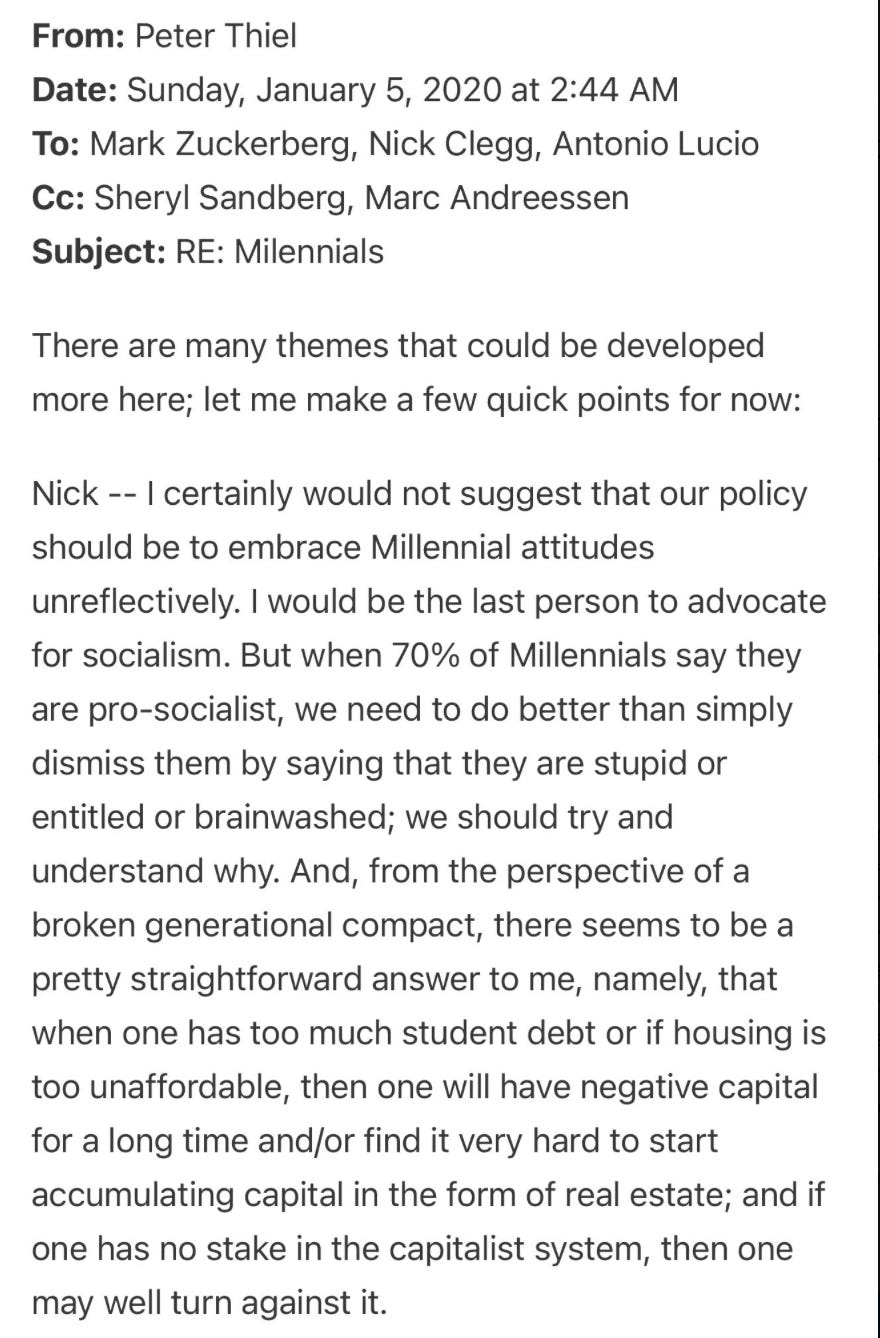
Maybe, instead of showcasing animals protecting a forest, the films should have shown the 30-year old local desperate to move out of his parents house or the mother and children, desperate for an extra bedroom. I get it, it’s easy to paint developers as the bad guys but I’m pro-progress and if you’re reading this, I’m guessing that you are too. Tradeoffs are hard but they’re also real. Can’t we show some of them in art? Maybe then, people would begin to understand the complexities of real life. It can’t be that difficult - we did it 30 years ago - I mean Aladdin had to deal with the tradeoff of revealing his true self, risk losing the girl as well as trading off giving up his last wish to free the genie. Make kids films complex again. We have gone from a cartoon world of grey areas to a cartoon world of black and white at the same time that our body politic has also lost its understanding of nuance.
Look, I know why these films are made - animals cute, humans bad is a simple formula and as long as there are a couple of fart jokes, tired parents will take their kids for a couple of hours of peace (as I did with Hoppers).
But I think that the underlying message does matter. And I’m not here saying that all capitalism is good and we should concrete over every scrap of greenery that we have. Obviously not. I care about the environment too. But environmental laws have been wielded for decades to frustrate any development good or bad. And people are finally paying attention. The problem is so bad in California, that bastion of environmental progress, that they are paring back their famous CEQA laws that have become so onerous, a mid-size house now costs $800k to build - double the national average.
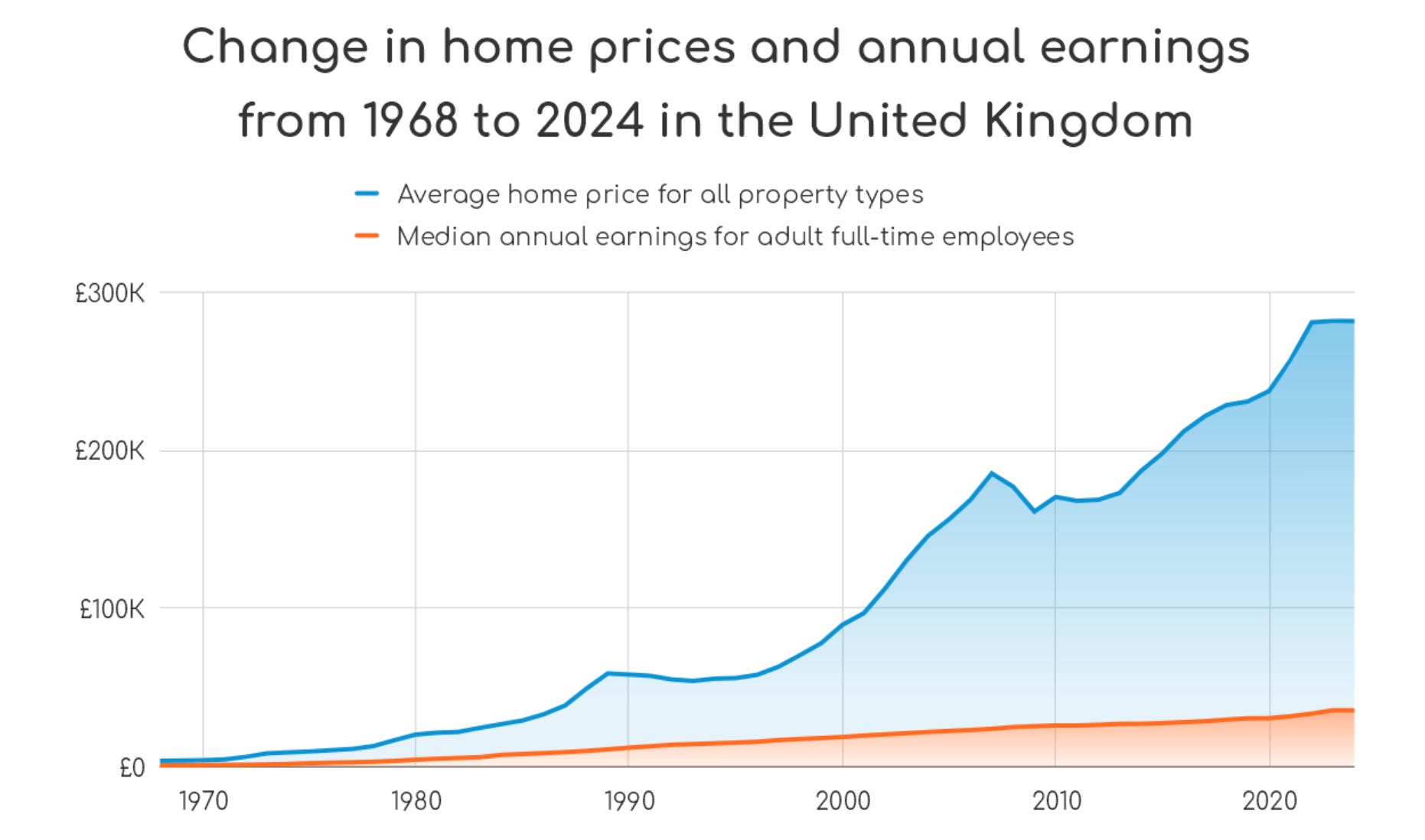
The anti-development movement has also led to the below dislocation between house prices and earnings in the UK. It is a death knell for mobility and adulthood. It’s also probably why the fertility rate across the Western world is at the lowest ever. No homes, no babies.
I do find it wildly hypocritical that millionaires, funded by billion dollar corporations, such as Disney where a single day visit to their theme park now costs $200, pump this anti-human, anti-progress propaganda at us without a second thought. We should demand better. We should be able to show our children a world of complexity with hard decisions but with a positive vision for our future that includes new developments, new science and opportunities.
I know I’d buy four tickets for that.